Services Provided
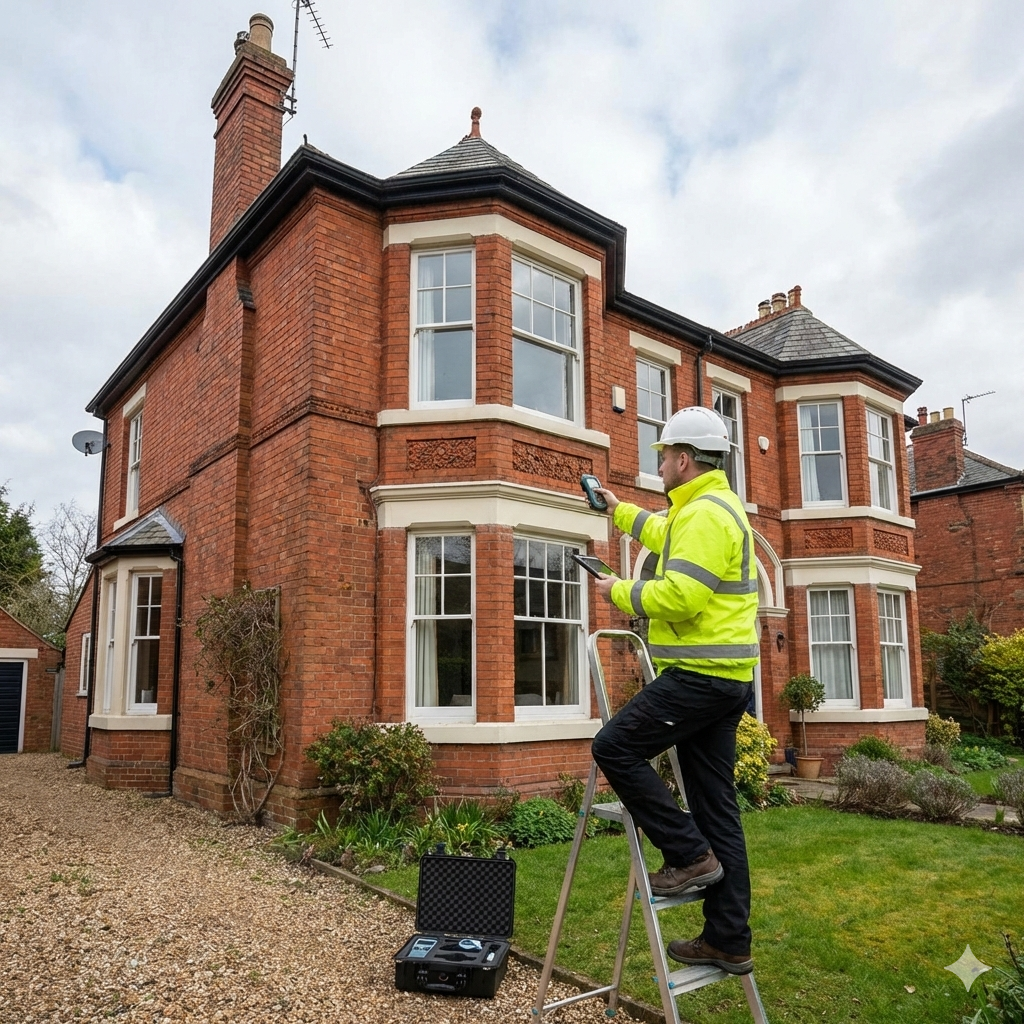
L2/L3 surveys
L2 is a standard "health check" for modern homes, while L3 is a deep-dive for older properties. Both identify risks, but L3 offers a thorough structural investigation and detailed repair advice, ensuring you don't buy a problematic property with hidden issues.
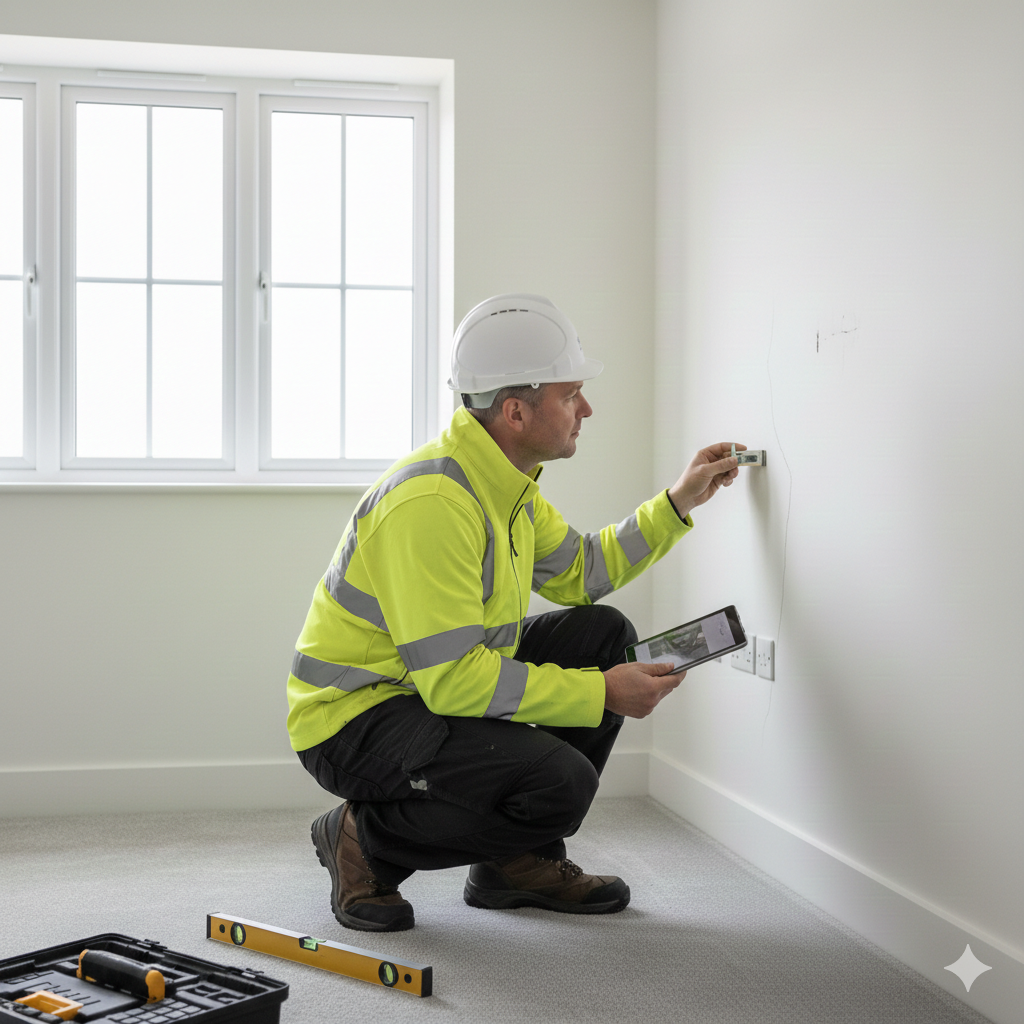
Snagging surveys
New build snagging surveys catches cosmetic flaws and technical breaches in brand-new homes. It creates a list for developers to fix under warranty, ensuring your new property meets the high standards you paid for before or shortly after moving in.
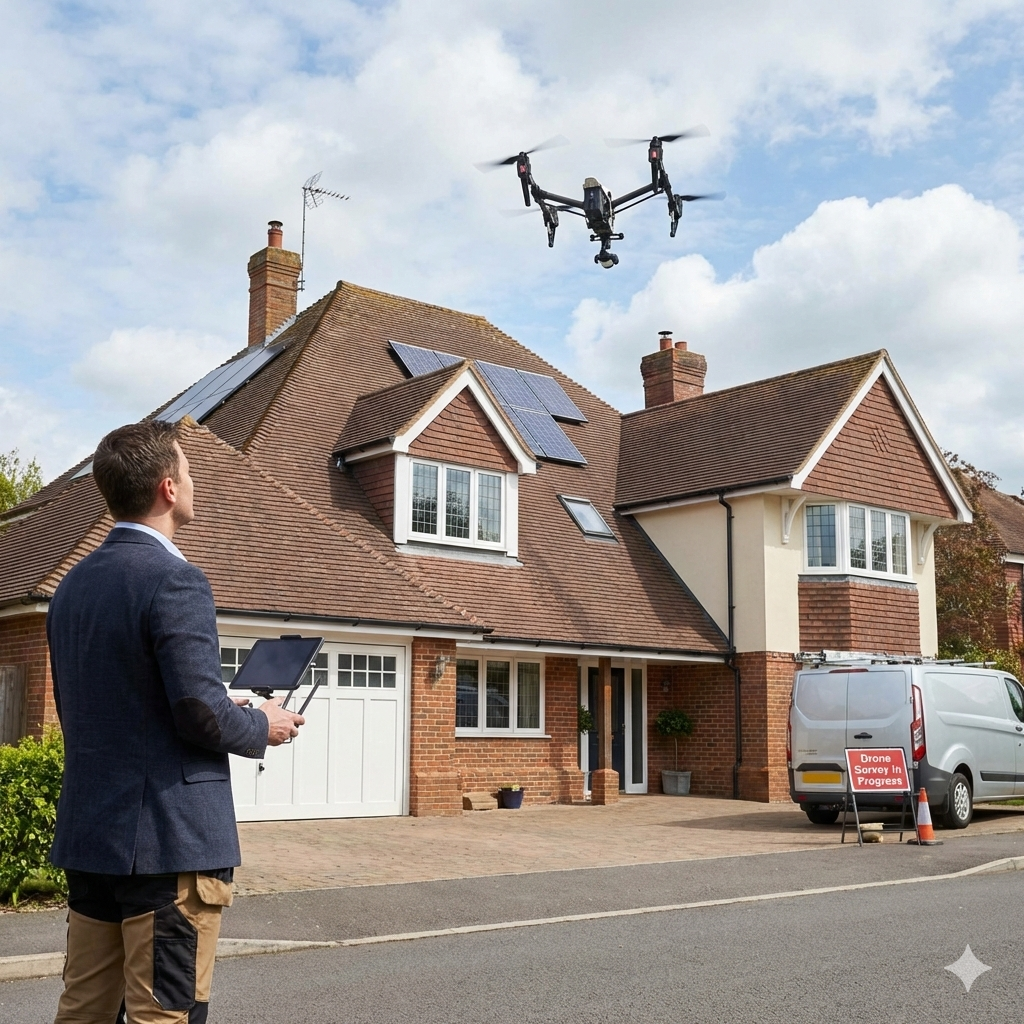
Roof drone surveys
Using aerial imagery, drones inspect roofs and chimneys without costly scaffolding. It’s a safe, non-destructive way to identify leaks or damage in hard-to-reach areas, providing high-resolution photographic evidence while keeping survey costs and risks to a minimum.
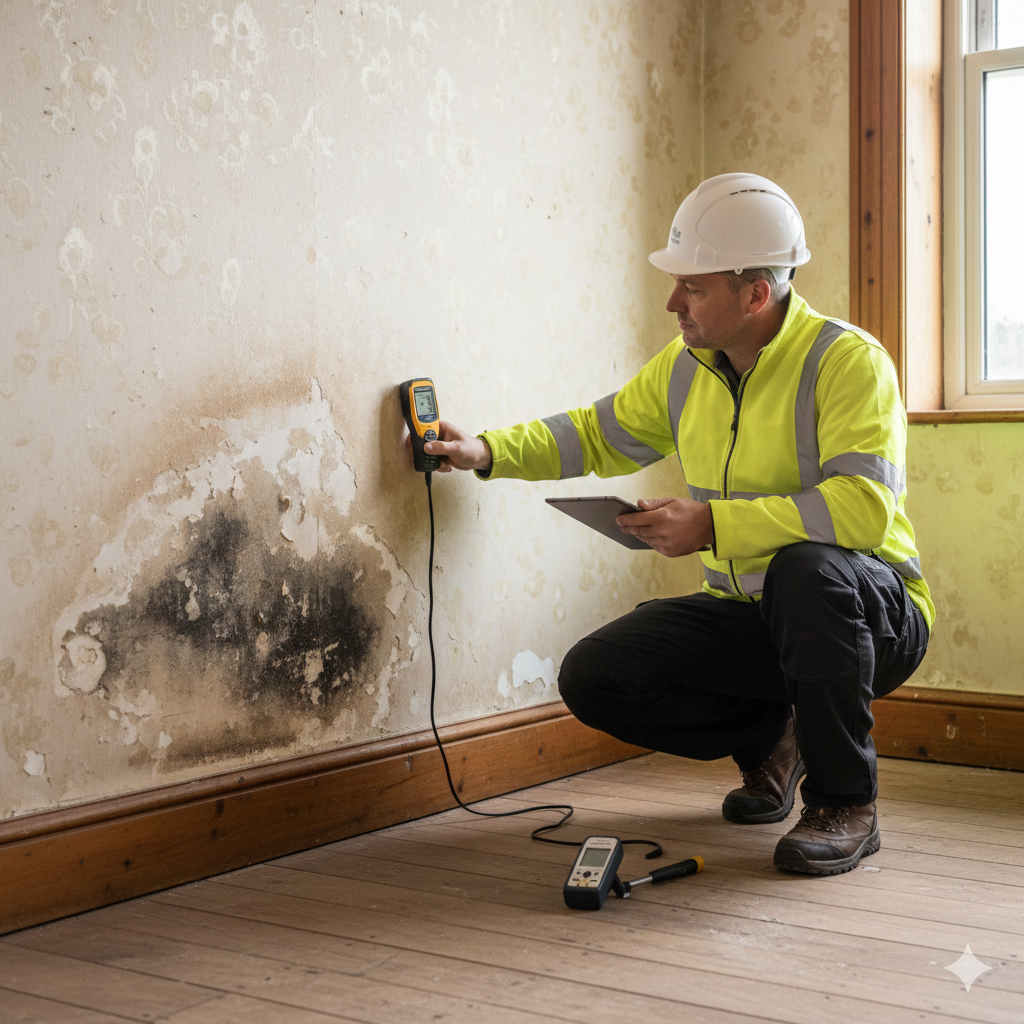
Specific defect surveys
A focused investigation into a single concern, like a structural crack or damp patch. It diagnoses the root cause and provides a clear plan for repair, offering a definitive answer and cost estimate without requiring a full building survey.
L2/L3 surveys
We specialise in RICS Level 2 and RICS Level 3 surveys, tailored to the property type and its condition.
A RICS Level 2 survey is suitable for conventionally built properties in reasonable condition and provides a clear overview of defects, risks and maintenance issues.
A RICS Level 3 survey offers the most detailed inspection and is recommended for older properties, altered buildings or those in poor condition. It includes detailed descriptions of construction, identified defects, likely causes and clear recommendations for repair or further investigation.
All accessible elements of the property are inspected, including roofs, walls, floors, services, boundaries and outbuildings. Where issues such as damp, movement, boundary concerns or unauthorised alterations are identified, these are clearly explained along with the associated risks.
Reports are structured to support decision making and future planning, with urgent issues and significant defects clearly highlighted. Support is always available after the survey to talk through the findings and answer any questions.
New build snagging surveys
A new build snagging survey is a specialized inspection designed to identify defects, or "snags," in a newly constructed home before or shortly after the buyer moves in.
While a new house is expected to be in pristine condition, the fast pace of modern construction often leads to oversights, ranging from minor cosmetic flaws—like uneven paintwork and scratched glazing—to more significant functional issues such as poorly fitted insulation, plumbing leaks, or breached building regulations.
For residential buyers, these surveys act as a vital safeguard; a professional surveyor uses an expert eye and technical tools (such as thermal imaging) to spot problems that a layperson might overlook.
By providing a comprehensive, photographic report to the developer, the buyer gains the necessary leverage to ensure all repairs are completed at the builder's expense, ultimately protecting their investment and ensuring their new home meets the high standards they were promised.
Roof drone surveys
Drone assisted inspections
Inspecting roofs and other high level elements is a critical part of a residential survey. Many significant defects occur at height and can be difficult to assess accurately from ground level alone. Where conditions allow, Horizon Home Surveys uses drone technology to support a more informed inspection.
Traditional access methods can be limited by safety, visibility and physical constraints. A drone allows close visual inspection of roof coverings, chimneys and other elevated elements without unnecessary risk, helping to reduce reliance on distant or restricted views.
Where used, drone inspections may assist in identifying damaged or missing roof coverings, slipped tiles or slates, deteriorated chimney masonry, defective flashings, parapet defects and issues with high level rainwater goods. This supports clearer reporting and reduces uncertainty where access is restricted.
Typical elements inspected using a drone may include
- pitched roofs, ridges, hips and valleys
- flat roof coverings and detailing
- chimneys, flaunching and pots
- parapets and high level masonry
- rainwater goods at high level
Drone assisted inspections are offered across Swindon and the surrounding areas, subject to safe and legal operation and suitable site conditions.
Drone inspections FAQ
How drone inspections support your survey?
Drone use does not replace the surveyor’s professional judgement. Findings are interpreted alongside internal inspection, property age, construction type and known risks. This helps provide clearer advice on condition, repair priorities and further investigations where required.
Is a drone always used?
Drone use depends on weather conditions, site access, airspace restrictions and safe operation requirements. It is not possible in all locations or situations. Where a drone cannot be used, this will be clearly stated in the report together with any limitations.
Do you always use a drone during a survey?
No. Drone use depends on conditions on the day and whether safe and legal operation is possible. It is used where it will genuinely add value to the inspection.
What parts of the property are inspected using a drone?
This typically includes roof coverings, chimneys, flashings, parapets and other high level elements that cannot be safely viewed from ground level.
Does drone use replace a traditional inspection?
No. Drone inspections support the surveyor’s assessment but do not replace visual inspection or professional judgement.
Specific defect surveys
A specific defect survey is designed to provide a detailed inspection and professional opinion on a particular issue affecting a property, rather than a full survey of the entire building. This service focuses on understanding the nature, cause and implications of an identified or suspected defect.
This type of survey is suitable for homeowners or prospective purchasers who have noticed a specific problem or have concerns that require expert investigation and independent advice.
When a specific defect survey is useful
A specific defect survey may be appropriate where you need clear information about a particular issue but do not require a full property survey. This can include situations where you want to understand the seriousness of a defect before approaching insurers, committing to repair works or proceeding further with a purchase.
It can also be useful where a buyer’s survey has identified an issue and you require a second opinion, or where conflicting advice or quotations have been provided by contractors and you need an impartial assessment.
This service is equally suitable for property owners who are not buying or selling but require professional advice, for example prior to renovation works, in support of an insurance claim or where there is a concern relating to neighbouring properties.
Specific defect surveys commonly cover issues such as
- cracking and distortion to buildings
- dampness including rising and penetrating damp
- condensation and mould growth
- defective or substandard workmanship
- defects associated with extensions, conversions or alterations
- defects affecting walls, roofs, floors, windows, chimneys and sub floor areas
What the survey will provide?
The survey will include a clear description of the defect, an assessment of the likely cause, the potential consequences if left unresolved and practical advice on appropriate remedial actions. Where further investigation or specialist input is required, this will be clearly explained.
Reports are written in plain English and are intended to provide clarity, reassurance and a sound basis for decision making.